What’s in your water, and what the rules say about it.
Plain-language guides and hands-on lessons about tap water, private wells, PFAS, and discharge permits. Every fact is checked against its source, and dated.
Facts last checked October 29, 2026, against EPA, CDC, USGS, and the Code of Federal Regulations.
Check a contaminant
Federal limits for public water
Action level
15ppb(µg/L)
Health goal
0ppb(µg/L)
or drag along the scale
Enter a number from your water quality report or a lab test to see what it means.
- Where it comes from
- Corrosion of household plumbing systems and service lines connecting buildings to water mains, erosion of natural deposits.
- Good to know
- The lead action level is 15 ppb until November 1, 2027, when it drops to 10 ppb (40 CFR 141.80(c)).
What the rule says about health effects
There is no safe level of lead in drinking water. Exposure to lead in drinking water can cause serious health effects in all age groups, especially pregnant people, infants (both formula-fed and breastfed), and young children. Some of the health effects to infants and children include decreases in IQ and attention span. Lead exposure can also result in new or worsened learning and behavior problems. The children of persons who are exposed to lead before or during pregnancy may be at increased risk of these harmful health effects. Adults have increased risks of heart disease, high blood pressure, kidney or nervous system problems. Contact your health care provider for more information about your risks.
Read more: Lead pipes, and how to check yours
Limits, goals, and quoted text: 40 CFR part 141, subpart O, Appendix A (eCFR, current as of October 1, 2026). Private wells don’t have to meet them, but they’re the usual benchmark. Your utility, lab, or health department can interpret your results.
Quick answers
The questions people ask most, answered in a few sentences. Each one links to the full explanation and its sources.
Don’t see yours? Browse by topic.
U.S. tap water is among the safest in the world: utilities monitor for more than 90 regulated contaminants. What can still reach your glass depends on where you live and on your home’s own pipes, so start with your utility’s annual water quality report.
No. Boiling kills germs, but it doesn’t remove nitrate, lead, or PFAS. The water leaves as steam and they stay behind, so boiling can concentrate them. Boil only when the problem is germs, like under a boil-water notice.
Match the filter to the problem, and check what it’s certified for: not every filter removes everything. Look for NSF/ANSI certification for your contaminant. For PFOA and PFOS, that’s Standard 53 or 58. Change the cartridge on schedule.
Lead pipes were banned for new installation in 1986, but the old ones were never dug up: EPA estimates about 4 million lead service lines remain. Utilities have had to map every service line, and many post the maps online. You can also check the pipe where it enters your house.
If your water comes from a community water system, it has to deliver a report every year by July 1, covering the year before. Look on your utility’s website, in the mail, or with your water bill, or search your utility’s name plus “water quality report.”
Keep reading: How to read your water quality report: What the report is
The health goal (MCLG) is the level with no known or expected risk to health. The legal limit (MCL) is the enforceable number, set as close to the goal as feasible using the best available treatment. For some contaminants, like lead and arsenic, the goal is zero.
Keep reading: How to read your water quality report: Reading the table
At least once a year for total coliform bacteria, nitrate, total dissolved solids, and pH, at a state-certified lab. Test right away after a flood, a well repair, or a change in taste, color, or smell, and add tests for what’s nearby.
Keep reading: Private well testing: what to test, and when: The yearly tests
As of October 2026, all six limits EPA set in 2024 are still on the books, including 4 parts per trillion for PFOA and PFOS, with testing due in 2027 and the first deadline in 2029. EPA has proposed rolling some of them back, and the final word will come from the court and EPA’s final rule.
It’s the sum of all the daily discharges measured during the calendar month, divided by how many were measured. A weekly average is the same over a calendar week. So no single sample decides an average limit; a daily maximum is the limit a single day can break.
Keep reading: How to read an NPDES effluent limits table: The statistics
Browse by topic
Everything in the library, filed under the question it answers.
Your tap water
What’s in it, who tests it, and how to read what they found.
Lead and plumbing
Where lead comes from after the water is clean, and how to check your own pipes.
Private wells
Nobody tests a private well but its owner. What to test, when, and what results mean.
PFAS
The “forever chemicals”: where they come from, where the rules stand, and what works.
How water gets clean
One drop’s trip from cloud to tap, and where things get in along the way.
Discharge permits
For facilities and the people who keep them in compliance.
Guides
Practical how-tos that answer one question each, with something to try and every source listed.
- For homeownersHow to read your water quality reportFind your utility’s annual Consumer Confidence Report, and read the contaminant table, the lead section, and the violations like someone who knows what they mean.
9-minute read. Checked October 29, 2026.
- For homeownersPrivate well testing: what to test, and whenBuild a testing plan for your well from what’s nearby, then read the results against the standards public water has to meet.
8-minute read. Checked October 29, 2026.
- For businesses and environmental prosHow to read an NPDES effluent limits tableTurn the limits table in a discharge permit into plain sentences, then check a month of results against weekly and monthly averages, in concentration and in pounds per day.
10-minute read. Checked October 29, 2026.
Lessons
The bigger stories, told chapter by chapter, with something to try in every one.
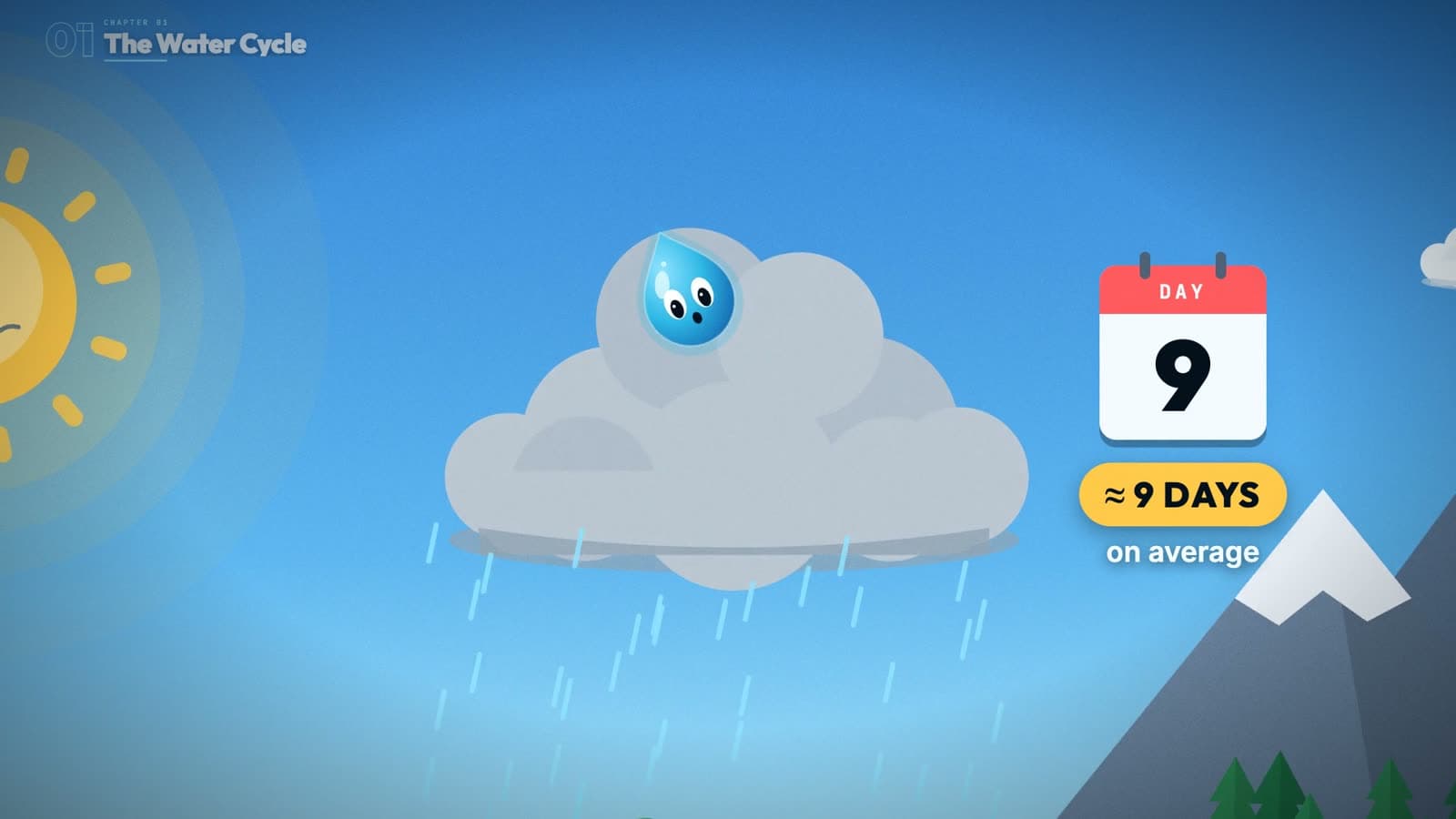 From Cloud to TapWhat's really in your water?
Follow one drop of water from the sky to your kitchen: the water cycle, what it picks up along the way, how a treatment plant cleans it, and what can still end up in your glass.
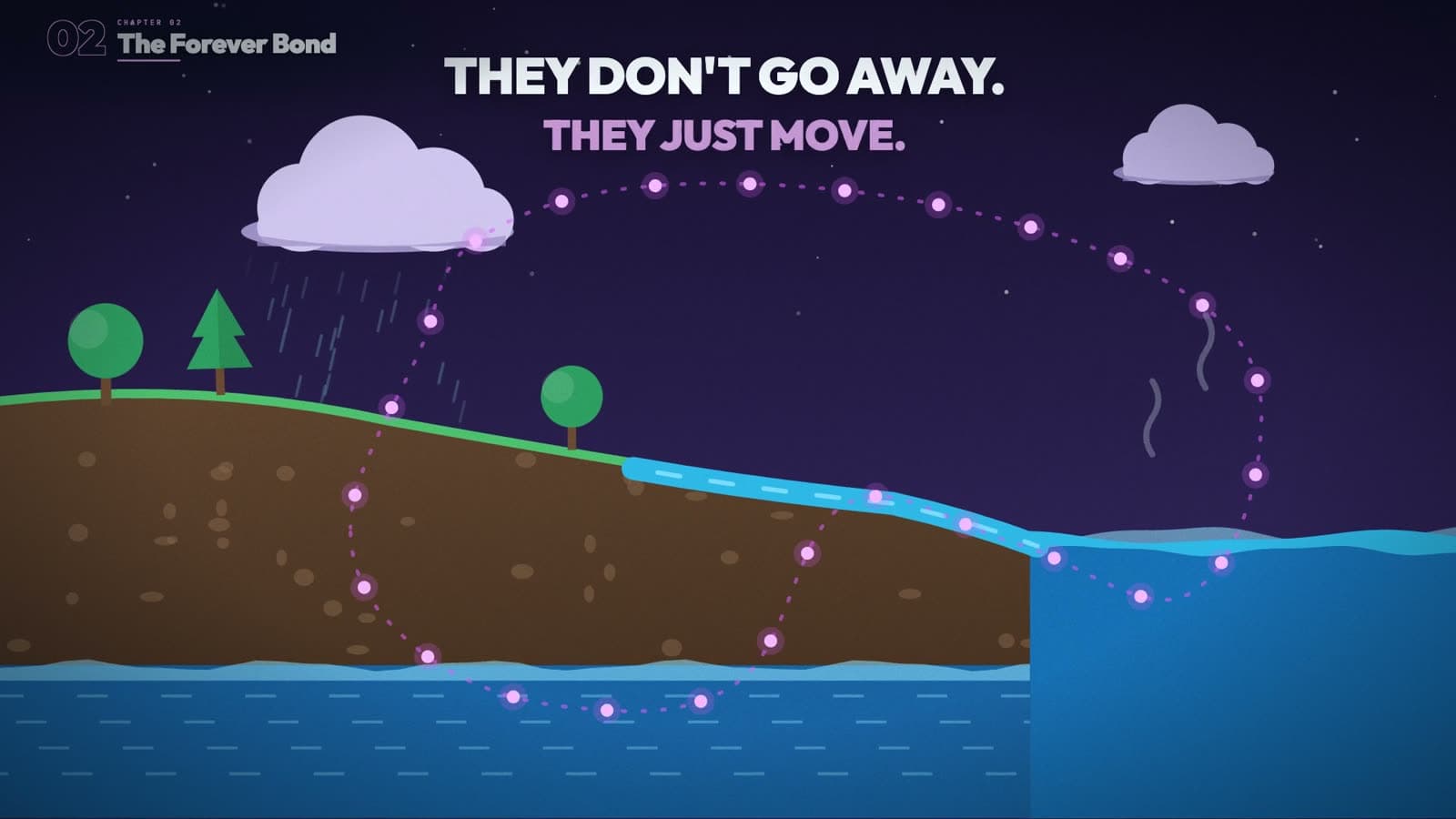 Forever ChemicalsHow PFAS got into almost everyone's blood
From a 1938 lab accident to the blood of nearly every American: why PFAS are so hard to destroy, how they spread, what they do to us, where the rules stand, and what you can do.
How we write these
- Checked against the source
- Regulatory claims come from the current text of the rule itself, with the date it was checked. Every page lists its sources.
- Written for the person holding the report
- Plain words first, with the official term beside them, so you can find the same thing on your own paperwork.
- Clear about what varies
- Where your state, your utility, or your permit decides, we say so instead of guessing.
Can’t find your question?
New guides are on the way. Tell us what you’re trying to figure out.